Do I Need Mouth Guards?
Posted on 2/2/2026 by Smile Makes Dental Center |
 Have you ever woken up with a sore jaw or wondered if you're doing something in your sleep that's affecting your teeth? Or maybe you play sports and want to protect your smile from potential injuries? If so, you might be wondering about mouth guards. These simple devices can make a big difference in protecting your teeth and jaw. Have you ever woken up with a sore jaw or wondered if you're doing something in your sleep that's affecting your teeth? Or maybe you play sports and want to protect your smile from potential injuries? If so, you might be wondering about mouth guards. These simple devices can make a big difference in protecting your teeth and jaw.
What are Mouth Guards?
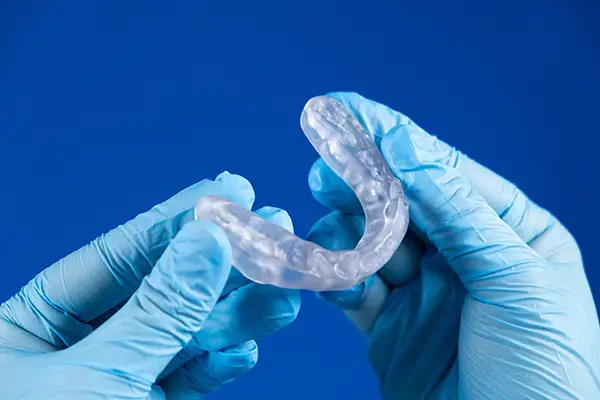
Mouth guards are protective coverings that fit over your teeth. They act like a cushion, absorbing impact and preventing damage. They come in various shapes, sizes, and materials, depending on their intended use. Think of them as seatbelts for your teeth!
Why Use a Mouth Guard?
There are two main reasons why someone might need a mouth guard: to protect against teeth grinding (bruxism) or to safeguard against injury during sports. Let's explore each of these scenarios.
Mouth Guards for Bruxism (Teeth Grinding)
Bruxism, or teeth grinding, is a common condition where you clench or grind your teeth, often unconsciously, especially during sleep. Over time, bruxism can lead to a host of problems, including:
| • |
Headaches and Jaw Pain: The constant muscle tension can cause discomfort in your head, neck, and jaw. |
| • |
Tooth Damage: Grinding can wear down your enamel, the protective outer layer of your teeth, making them more sensitive and prone to cavities. It can also cause chipping, cracking, or even loosening of teeth. |
| • |
Temporomandibular Joint (TMJ) Disorders: Bruxism can contribute to problems with the TMJ, the joint that connects your jaw to your skull, leading to pain and difficulty opening and closing your mouth. |
A mouth guard, also called a night guard in this case, creates a barrier between your upper and lower teeth, preventing them from grinding against each other. This reduces muscle tension, protects your enamel, and alleviates pressure on the TMJ.
Mouth Guards for Sports
Sports mouthguards are essential for anyone participating in activities where there's a risk of contact to the face. These include, but aren't limited to:
| • |
Football |
| • |
Basketball |
| • |
Hockey |
| • |
Martial Arts |
| • |
Skateboarding |
A sports mouthguard absorbs the impact of a blow to the face, protecting your teeth from being chipped, broken, or knocked out. It can also help prevent injuries to your lips, tongue, and jaw. Think of sports mouthguards as a crucial piece of athletic equipment, just like helmets and pads.
Different Types of Mouth Guards
There are different types of mouth guards available, each with its own pros and cons:
| • |
Stock Mouth Guards: These are pre-made and readily available at most sporting goods stores. They are the least expensive option, but they often don't fit well and can be bulky, making it difficult to breathe and talk. |
| • |
Boil-and-Bite Mouth Guards: These mouth guards are made of a thermoplastic material that softens when placed in hot water. You then mold the softened mouth guard to your teeth for a more customized fit. They offer better protection than stock mouth guards but may not be as comfortable or durable as custom-made options. |
| • |
Custom-Fitted Mouth Guards: These are made by your dentist based on an impression of your teeth. They provide the best fit, comfort, and protection because they are specifically designed for your mouth. While they are the most expensive option, they offer the most reliable and long-lasting protection. |
How to Care for Your Mouth Guard
Proper care of your mouth guard is essential for keeping it clean and effective. Here are a few tips:
| • |
Rinse your mouth guard with water after each use. |
| • |
Clean it regularly with a toothbrush and toothpaste. |
| • |
Store your mouth guard in a clean, ventilated container. |
| • |
Avoid leaving your mouth guard in direct sunlight or hot temperatures, as this can warp its shape. |
| • |
Regularly inspect your mouth guard for signs of wear and tear, and replace it as needed. |
Is a Mouth Guard Right for You?
If you suspect you might be grinding your teeth or participate in sports with a risk of facial impact, talking to your dentist is the best way to determine if a mouth guard is right for you. They can assess your individual needs and recommend the best type of mouth guard to protect your smile. Remember, protecting your teeth is an investment in your long-term oral health and overall well-being.
|
|